New system for booking our prototyping workshops
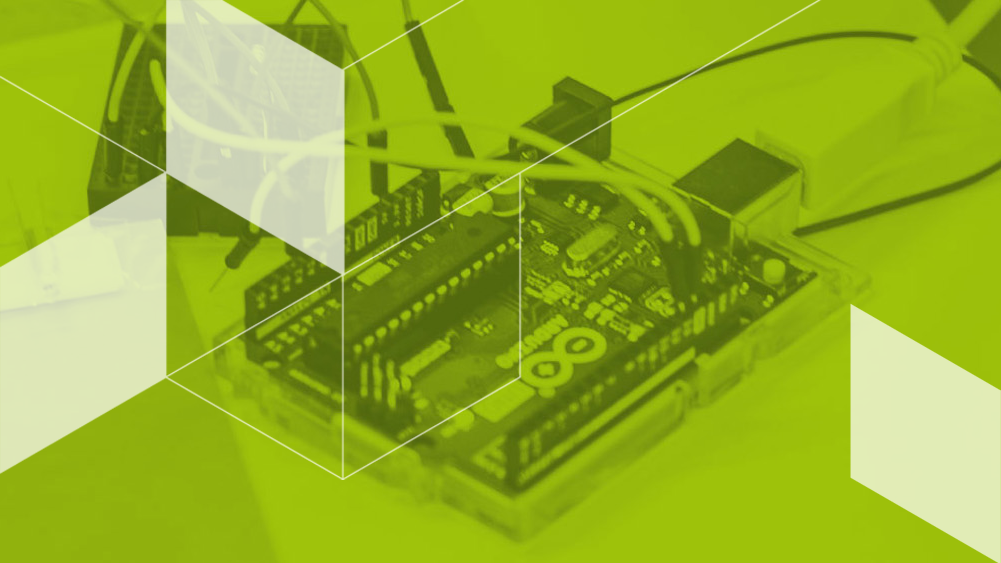
Everyone from the CERN community - researchers, EU project collaborators, students and guests - is welcome to take advantage of our space to put innovative ideas to the test.
Over 200 CERN personnel use IdeaSquare’s space every year. With easily accessible 3D printers, laser cutters, and interactive smartboards, CERN users can quickly build and experiment with prototypes. Use of our facilities is free of charge, unless larger volumes of materials are required.
Prototype exhibition opens at IdeaSquare
What if our student projects could unlock unseen solutions for global challenges?
 What if our student projects could unlock unseen solutions for global challenges?
CERN technology showcased in the context of UN Plastic Treaty discussions
AI data analysis techniques developed at CERN were showcased during a side event of INC-5.2 – the United Nations intergovernmental negotiating committee meeting in Geneva to develop an international legally binding instrument on plastic pollution
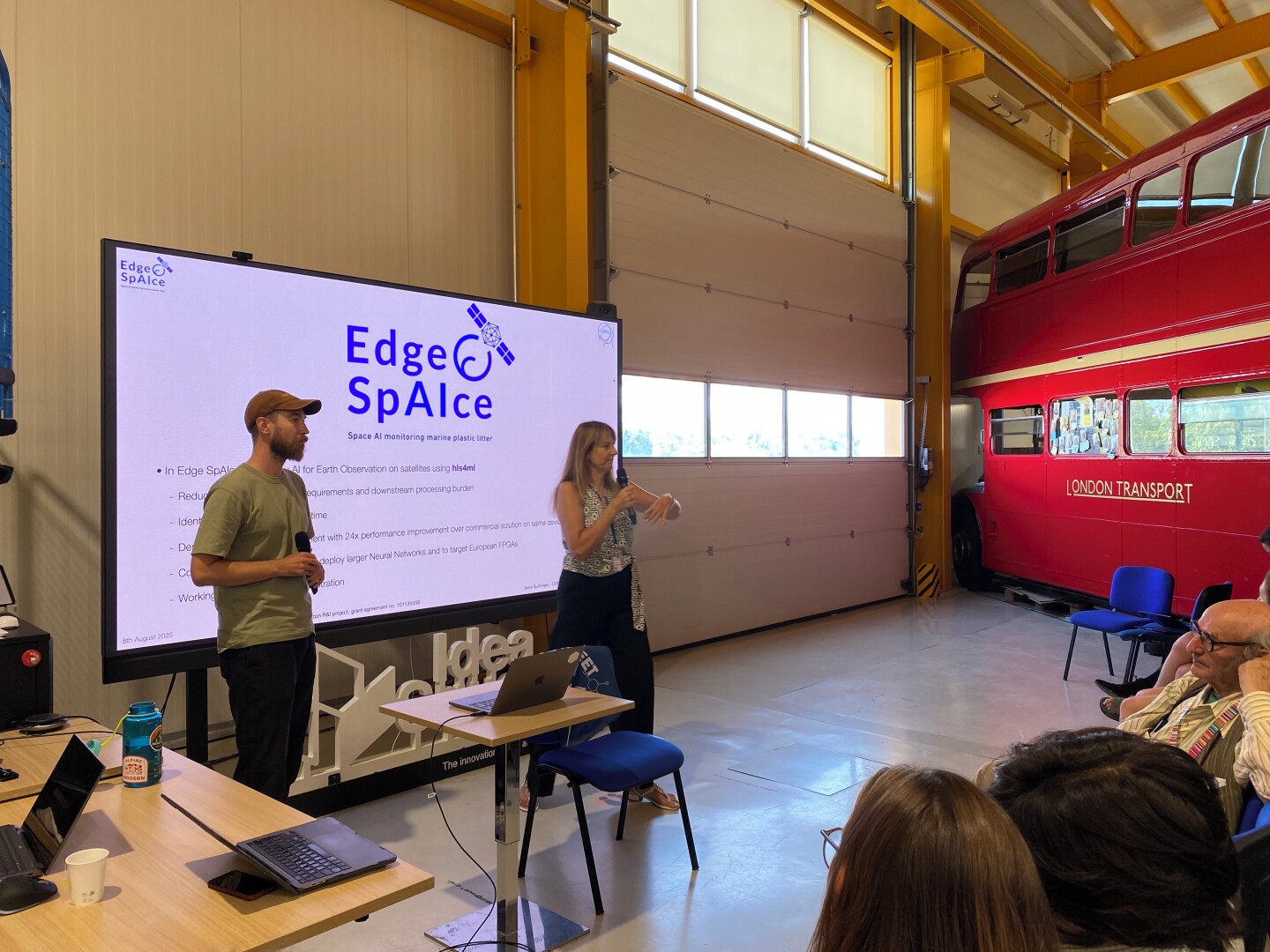 AI data analysis techniques developed at CERN were showcased during a side event of INC-5.2 – the United Nations intergovernmental negotiating committee meeting in Geneva to develop an international legally binding instrument on plastic pollution
Citizen Science and AI to combat plastic pollution
Side event of the UN Plastic Treaty INC-5.2
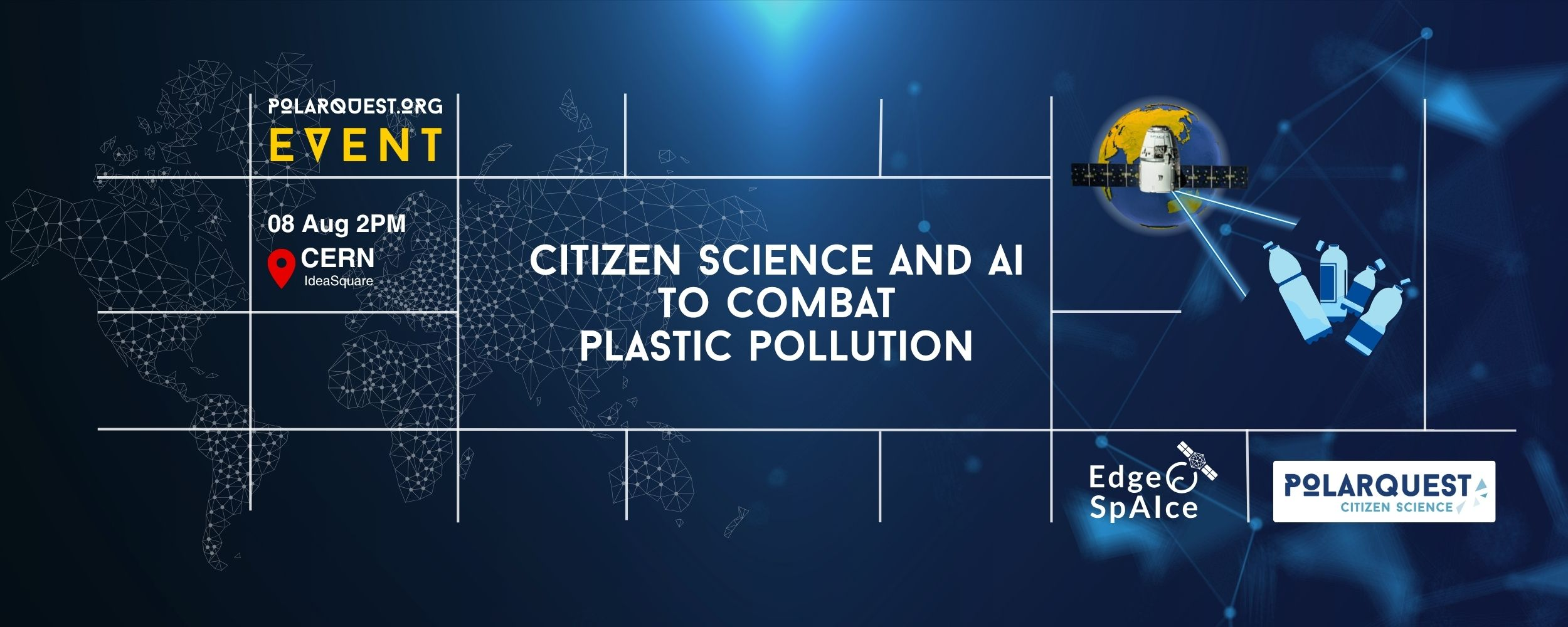 Side event of the UN Plastic Treaty INC-5.2
Tinker Lab in IdeaSquare open to the public

What's the value of out-of-box thinking?
Participants will explore, experiment, and reflect on the value of thinking out of the box in innovation and research, using simple and affordable materials.
Then they will also get a short tour of IdeaSquare, CERN’s collaborative innovation space, showcasing how prototyping and playful exploration mirror the challenges and creative processes that drive technological advances at CERN.
Women in Motion: Exploring AI and movement analysis with hands-on training
Participants engage in hands-on AI training during the ‘Women in Motion’ workshop at CERN IdeaSquare
 Participants engage in hands-on AI training during the ‘Women in Motion’ workshop at CERN IdeaSquare
ATTRACT Final Conference – Bringing big science, talent and technology together

ATTRACT hosted its Final Conference in Brussels, Belgium, on 2–3 July 2025. The event served as a dynamic platform for bringing together all key actors involved in ATTRACT phase 2 to showcase their achievements and impact. For two days, participants had the opportunity to gain firsthand insights into the practical implementation of the ATTRACT model and its contribution to advancing innovation across research, industry, and society.
Watch this video that summarizes this significant milestone for ATTRACT phase 2.
ATTRACT celebrates successes at final conference
The initiative helped develop breakthrough detection and imaging technologies and tested a model for innovation in Europe
 The initiative helped develop breakthrough detection and imaging technologies and tested a model for innovation in Europe
Hacking quantum materials for sustainable development
From 11-13 July, 35 students from over 20 countries came together at CERN IdeaSquare to take part in a hackathon co-organised by OQI and the University of Geneva (Geneva Responsible Entrepreneurship Center).
 From 11-13 July, 35 students from over 20 countries came together at CERN IdeaSquare to take part in a hackathon co-organised by OQI and the University of Geneva (Geneva Responsible Entrepreneurship Center).
Rethinking the role of research infrastructures
ATTRACT highlights the potential of research infrastructures to boost Europe’s competitiveness and security
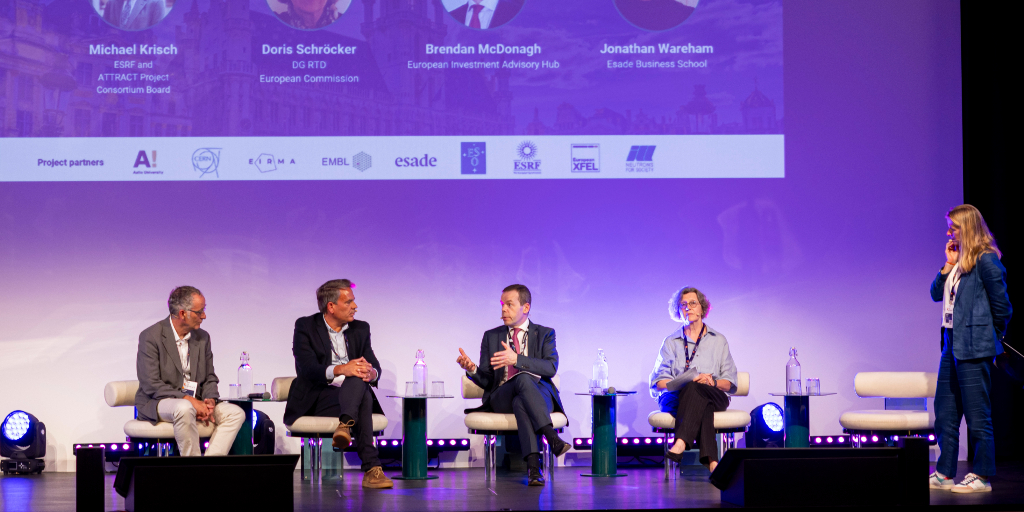 ATTRACT highlights the potential of research infrastructures to boost Europe’s competitiveness and security