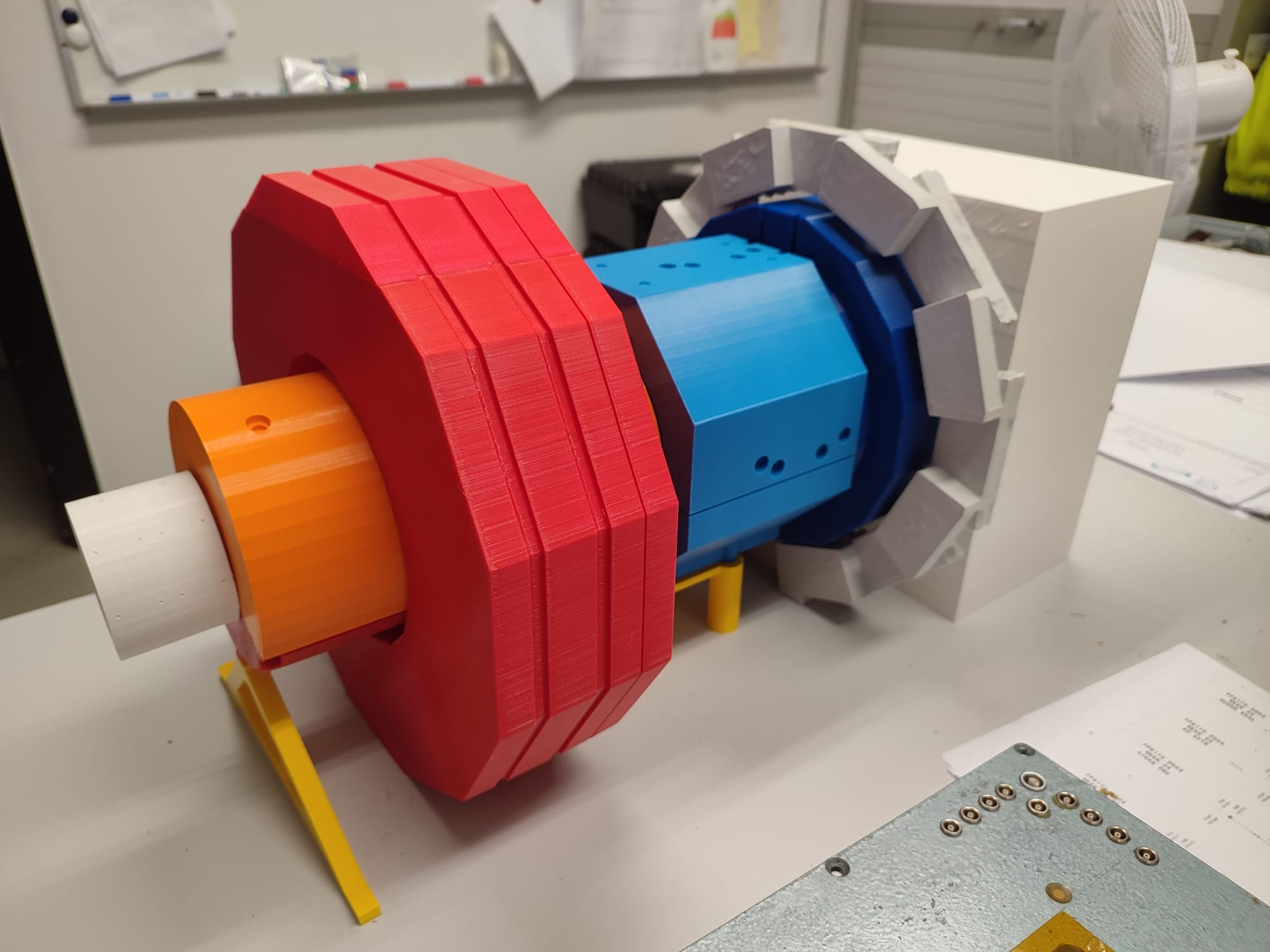
Re-designing a battery recollection container for CERN: when IdeaSquare alumni help with the laboratory recycling challenges
A team made up of former students of IdeaSquare worked on a surprising challenge: re-designing a battery recollection container for CERN. The project recently completed the prototype validation phase and is entering production.
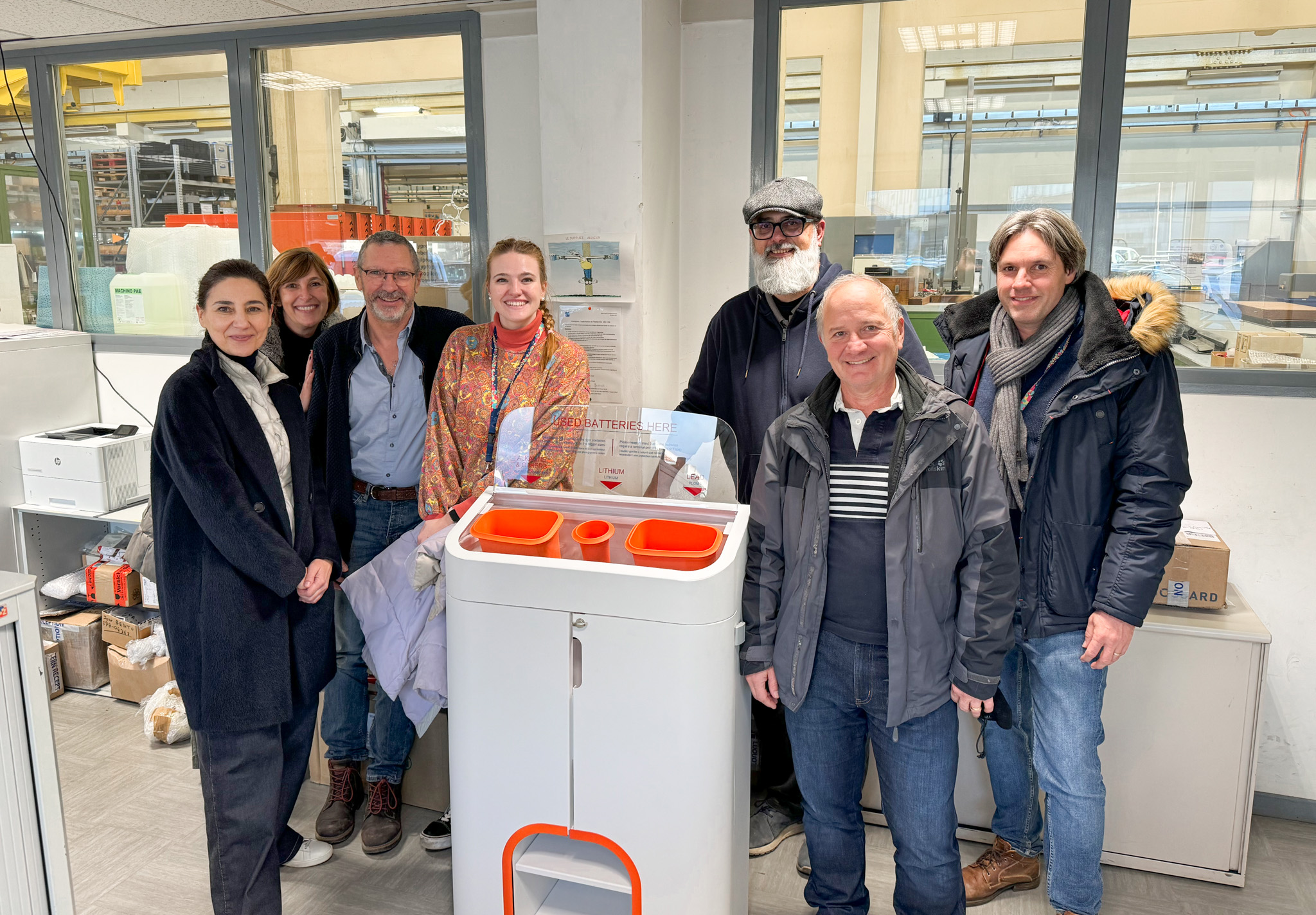 A team made up of former students of IdeaSquare worked on a surprising challenge: re-designing a battery recollection container for CERN. The project recently completed the prototype validation phase and is entering production.
Reflecting on 40 Years of EU Research: analysing future frontiers in science and innovation
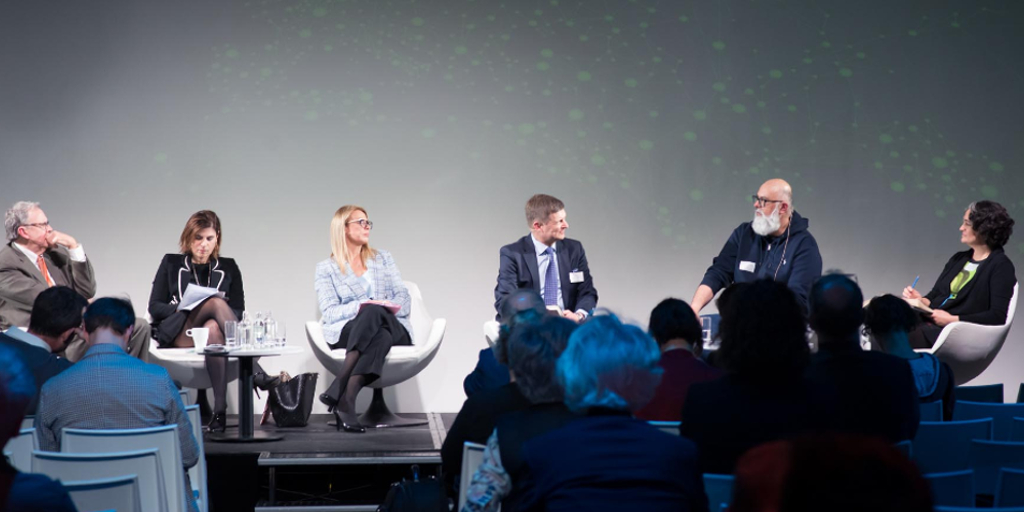
This year, the European Union commemorates 40 years since the launch of its first Framework Programme (FP) for research. To mark this milestone, Science|Business hosted its public annual Network conference gathering global leaders in science, technology, and innovation to discuss the achievements of the FPs, their future directions, and the role of science and technology in shaping the next four decades.
Launching a new online writing clinic for the CERN IdeaSquare Journal of Experimental Innovation (CIJ)
We are happy to announce a new recurrent online workshop to guide authors in the writing of their articles for the CERN IdeaSquare Journal of Experimental Innovation (CIJ), and to answer their questions.
 We are happy to announce a new recurrent online workshop to guide authors in the writing of their articles for the CERN IdeaSquare Journal of Experimental Innovation (CIJ), and to answer their questions.
Prototype profile: Design and validation of a safe mechatronic system for the handling of radioactive sources
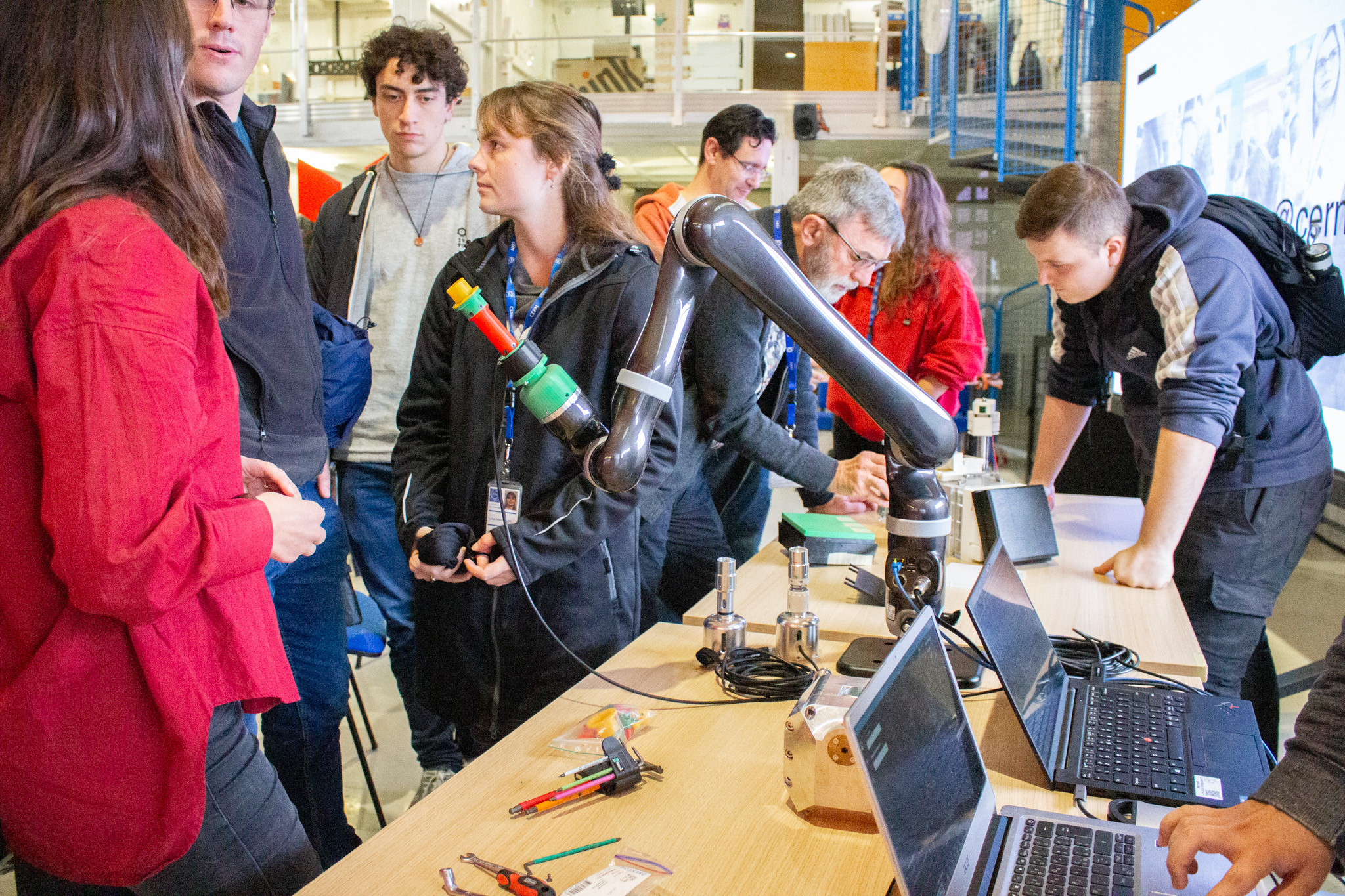
The LHC tunnel is a highly radioactive environment during the operation of the machine.
Four thousand Beam Loss Monitors (BLMs) are placed along the magnets to ensure no radiation escape. It is essential to verify the proper operation of each of these BLMs before operation to ensure safety.
IdeaSquare accelerating social impact from CERN's new campus
With the Science Gateway running since October 2023, IdeaSquare —located only a quick 5-minute walk away— will now be organically granted more visibility.
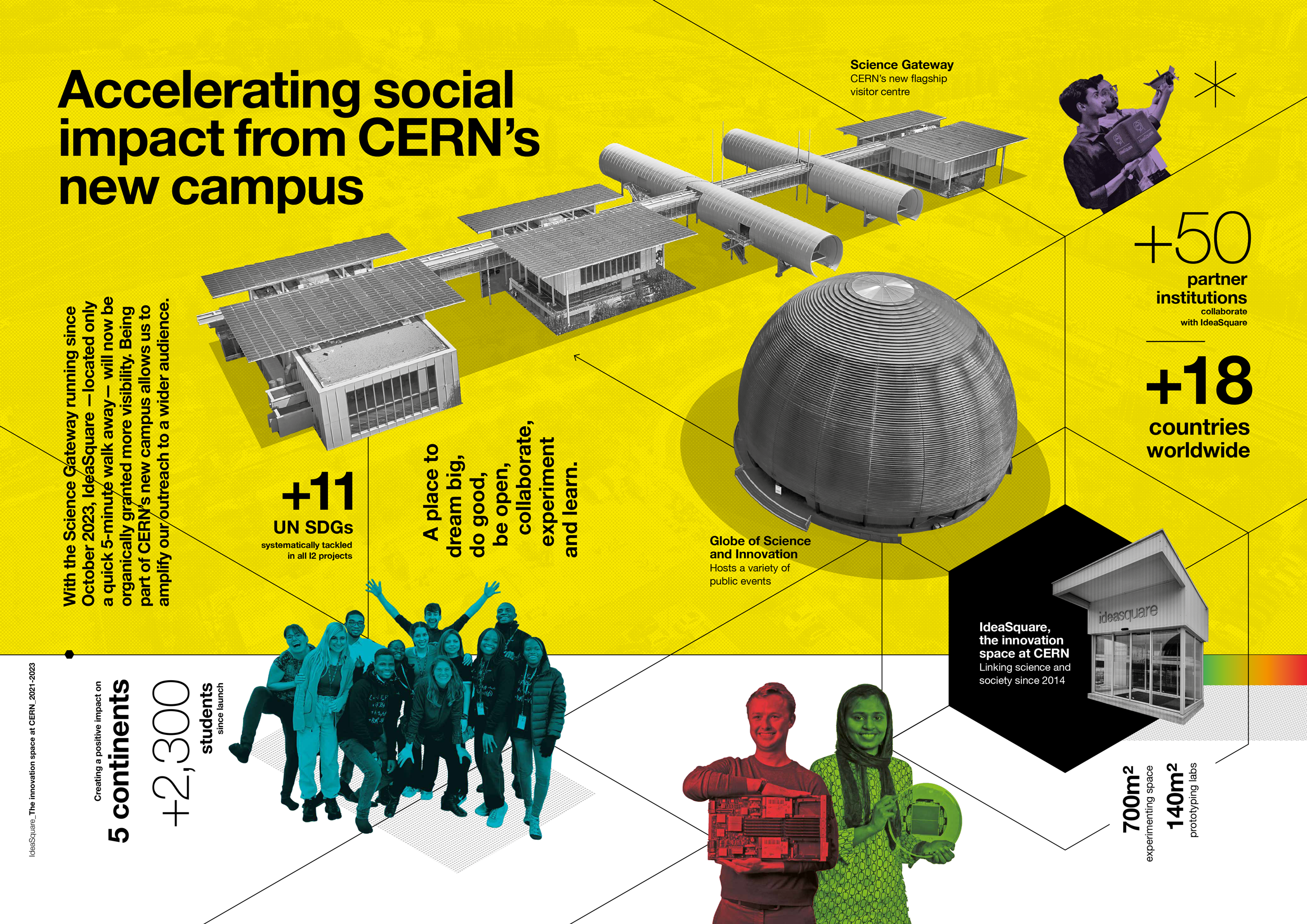 With the Science Gateway running since October 2023, IdeaSquare —located only a quick 5-minute walk away— will now be organically granted more visibility.
IdeaSquare Progress report 2021-2023
Hello, you curious mind! In the last 3 years, a lot has happened at IdeaSquare.
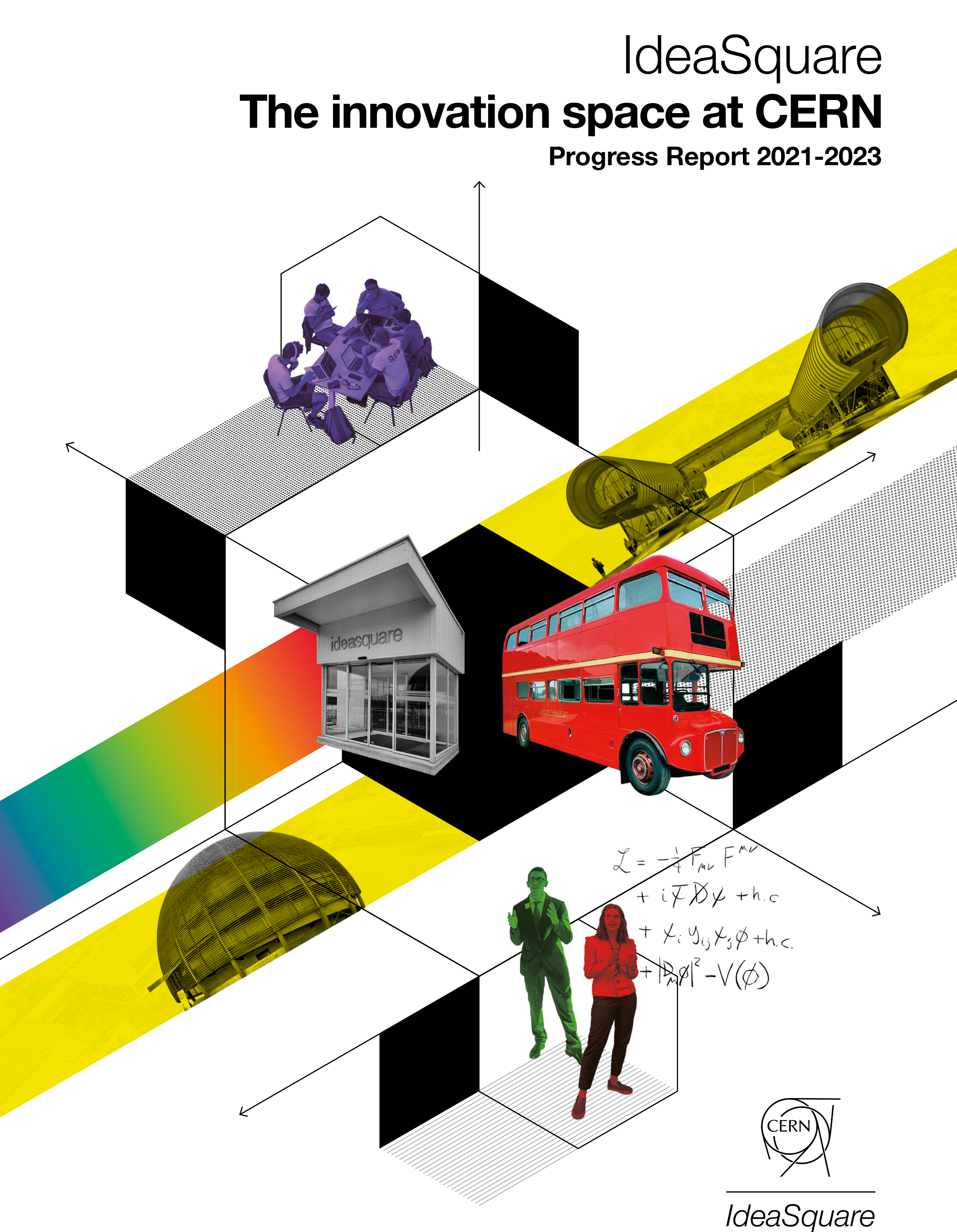 Hello, you curious mind! In the last 3 years, a lot has happened at IdeaSquare.
Using satellite data to understand climate change
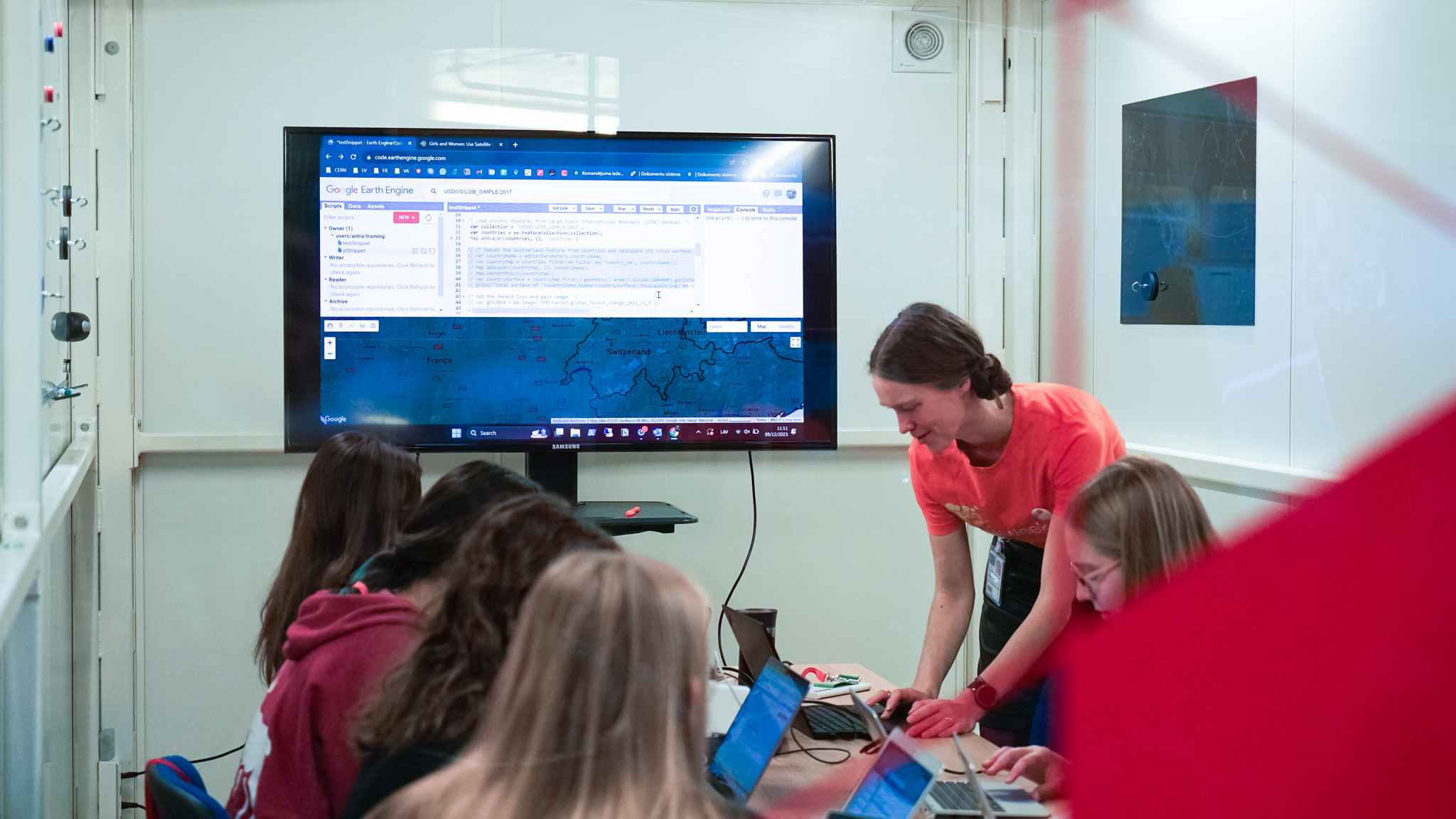
Learning to use satellite data can help understand climate change!
Sparks! Follow-up initiative: Adopting an intersectional feminist approach in digital health for gender equality and human rights
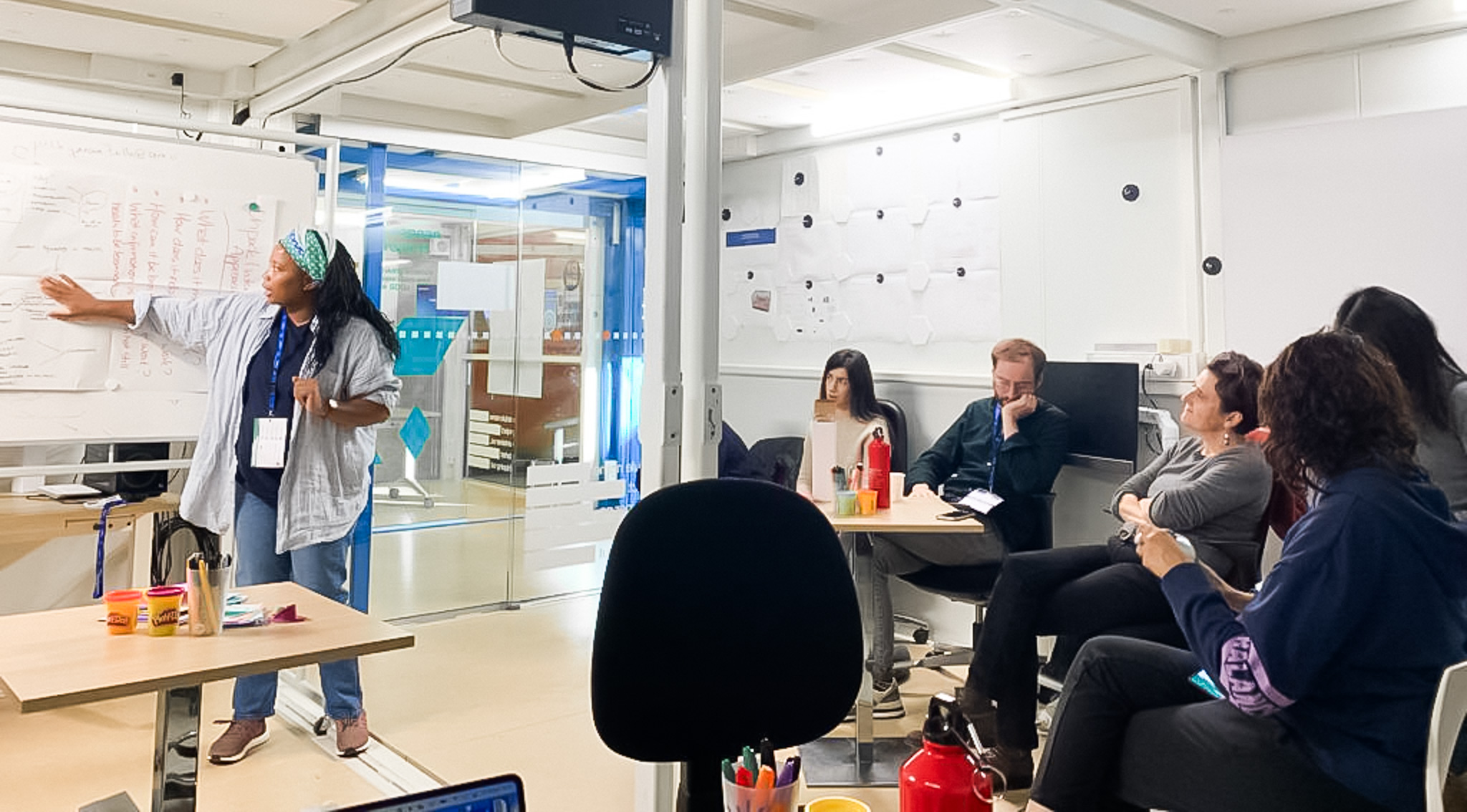
Participants of the last Sparks! edition spontaneously gathered at IdeaSquare in a follow-up initiative with a conviction: that digital technologies for health must prioritise gender equality and human rights, and that an end-to-end intersectional feminist approach is necessary.
Co-designing IdeaSquare's forthcoming educational endeavour taking us on a cosmic journey and then back to Earth
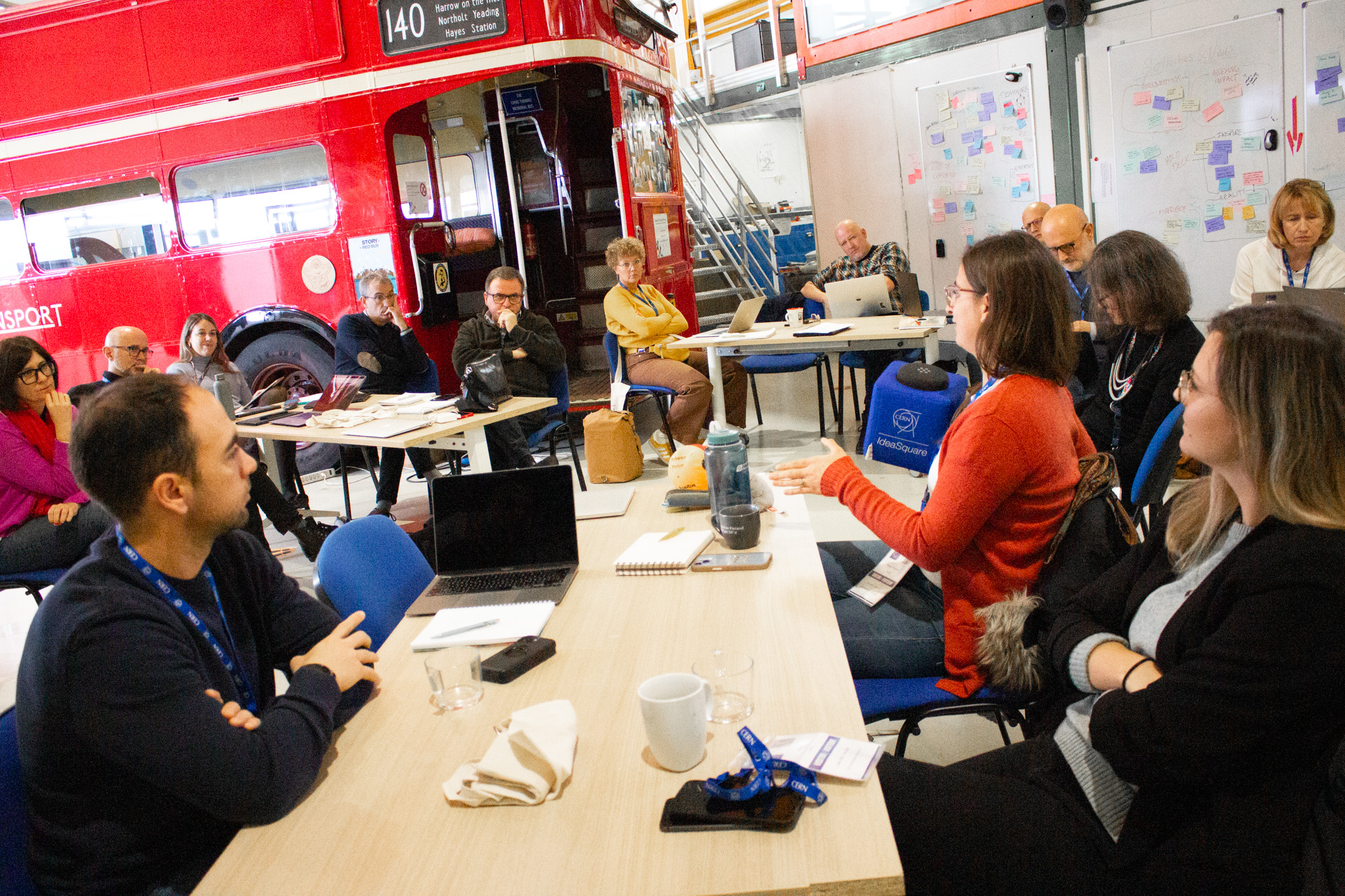
At the beginning of this year, the IdeaSquare team embarked on an exciting two-week pilot initiative aimed at testing a novel educational methodology in connection with the Sustainable Development Goals. At its core, this approach hinges on a bold question: What if humanity were compelled to start anew on an entirely different planet? How could we make choices that prioritise sustainability? Moreover, could the knowledge gained during this cosmic journey be effectively applied to real-world situations on Earth?